

Cybersecurity is an ever-evolving battlefield, especially with the increasing prevalence of malware and ransomware attacks targeting businesses of all sizes. In my experience, Managed Security Service Providers (MSSPs) play a vital role in defending your organization against these threats. They provide real-time monitoring, advanced threat detection, and a wealth of expertise to help you understand the landscape of cyber threats. By partnering with MSSPs, you can enhance your security posture and significantly reduce the risk of devastating cyber incidents that can disrupt your operations and compromise sensitive data.
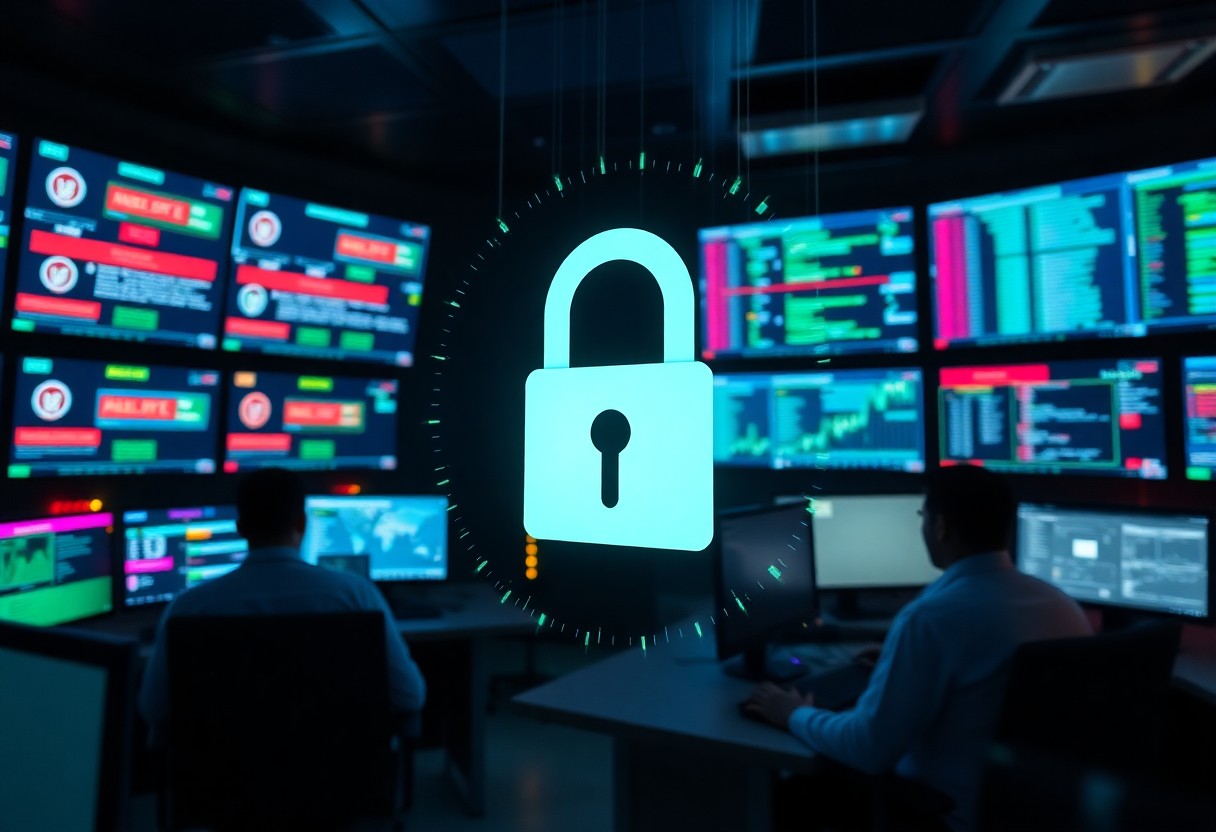
Understanding MSSPs and Their Role
Your understanding of Managed Security Service Providers (MSSPs) is key to effectively combating rising cybersecurity threats. MSSPs offer organizations tailored security solutions, allowing them to protect their digital assets while focusing on core business operations. By leveraging their expertise, businesses can mitigate risks associated with malware and ransomware attacks more effectively.
Definition of MSSPs
The term Managed Security Service Provider (MSSP) refers to a company that offers outsourced monitoring and management of security systems and devices. These services often include threat detection, incident response, and compliance management, enabling clients to maintain robust security without the need for extensive in-house resources.
Importance of MSSPs in Cybersecurity
An MSSP plays an integral role in enhancing an organization’s cybersecurity posture by providing 24/7 monitoring, expert analysis, and rapid incident response. With the ever-evolving landscape of cyber threats, having an MSSP can significantly improve your ability to thwart attacks while ensuring regulatory compliance and data integrity.
Indeed, leveraging an MSSP offers you a robust defense mechanism against the relentless tide of cyber threats. By providing access to a team of cybersecurity experts, MSSPs help you stay ahead of sophisticated malware and ransomware attacks. Moreover, these services help reduce downtime and financial losses associated with breaches, ultimately enhancing your business’s resilience. Partnering with an MSSP not only improves your security posture but also allows you to focus on your core business objectives without the constant worry of cyber threats.
The Rise of Malware and Ransomware
Clearly, the digital landscape has seen a significant surge in malware and ransomware attacks, posing a severe threat to organizations and individuals alike. Cybercriminals are becoming increasingly sophisticated in their methods, leveraging advanced technology and tactics to bypass security measures. This rise in cyber threats highlights the urgent need for robust cybersecurity solutions and awareness, as the consequences of such attacks can be devastating and far-reaching.
Current Threat Landscape
By examining the current threat landscape, I see a marked increase in the frequency and severity of malware and ransomware incidents. Attackers exploit vulnerabilities in systems, often employing tactics such as phishing or exploiting unpatched software to gain access. Additionally, the rise of targeted attacks on critical infrastructure further emphasizes the need for vigilant cybersecurity measures to mitigate these ongoing risks.
Impact on Businesses and Individuals
By analyzing the impact of these threats, I recognize that both businesses and individuals are significantly affected by malware and ransomware attacks. The financial repercussions can be staggering, leading to loss of revenue and potential legal liabilities. Moreover, individuals can suffer from identity theft and emotional distress, highlighting the pervasive nature of these cyber threats.
Threat actors often unleash chaos on businesses through malware and ransomware, leading to significant financial losses and operational disruptions. Organizations may face crippling downtime as they recover systems, while consumers may endure loss of personal data and identity theft. On a broader scale, the trust and reputation of a business can be severely impacted, making it critical for both businesses and individuals to invest in resilient cybersecurity strategies and remain vigilant against potential threats.
Strategies for MSSPs to Combat Cyber Threats
There’s a pressing need for Managed Security Service Providers (MSSPs) to adopt robust strategies to mitigate the increasing risks posed by cybersecurity threats. By prioritizing advanced threat intelligence and leveraging innovative technologies, I can help you understand the Role Of MSPs & MSSPs In Business Cybersecurity. These approaches enable organizations to defend against malware and ransomware attacks effectively.
Proactive Threat Detection
Combat cyber threats by implementing proactive threat detection measures. This involves using advanced monitoring tools that can identify abnormal patterns before they escalate into significant incidents. As an MSSP, I ensure that your network is continuously monitored, enabling early intervention that significantly reduces potential damage.
Incident Response Plans
Response to cybersecurity incidents swiftly and effectively is vital for minimizing their impact. Developing a comprehensive incident response plan enables me to guide you through identifying, managing, and mitigating threats, ensuring that your organization can recover quickly.
With a well-structured incident response plan, I can help your organization navigate the complexities of a cyber incident with confidence. This plan equips you with a clear roadmap, detailing roles and responsibilities that ensure rapid actions are taken in the face of a threat. A strong response plan also includes regular training and simulations, which can significantly enhance your team’s readiness. By prioritizing these elements, you strengthen your defenses and safeguard your reputation, ultimately leading to a more resilient business environment.
Advanced Technologies in Cybersecurity
Not only do advanced technologies bolster defenses against cyber threats, but they also enhance response capabilities when incidents occur. Key technologies in the fight against malware and ransomware include:
- Artificial Intelligence for threat detection
- Cloud security solutions for data protection
- Endpoint detection and response (EDR) tools
For comprehensive strategies on safeguarding your systems, check out Mitigating malware and ransomware attacks – NCSC.GOV.UK.
Emerging Technologies in Cybersecurity
| Technology | Functionality |
| AI | Predictive analytics for threat identification |
| Machine Learning | Adapts defense mechanisms based on attack patterns |
| Cloud Solutions | Effective data storage and backup strategies |
AI and Machine Learning in Threat Mitigation
Mitigation efforts are increasingly powered by AI and machine learning technologies that analyze vast amounts of data to detect patterns indicative of potential threats. By leveraging these technologies, security teams can proactively identify vulnerabilities and respond quickly to emerging malware and ransomware attacks.
Cloud Security Solutions
Threat preparedness is heightened by adopting robust cloud security solutions that offer layered defenses and monitoring tools. These solutions provide enhanced visibility into your cloud environments, allowing for swift incident response. They also enable rigorous data encryption, access controls, and real-time threat intelligence, effectively curbing the risk posed by ransomware and malware.
The integration of cloud security solutions is necessary for modern cybersecurity strategies. With the growing reliance on cloud infrastructure, organizations must prioritize data protection and privacy measures. By implementing comprehensive access controls and embracing automated monitoring systems, you can significantly reduce the likelihood of falling prey to cybercriminals. These proactive measures not only safeguard data but also ensure compliance with regulatory requirements.
Building a Security Awareness Culture
Keep in mind that establishing a strong security awareness culture is imperative for your organization to effectively combat cybersecurity threats. By fostering an environment where employees understand the importance of cybersecurity, you can significantly reduce the chances of breaches occurring. This culture should encourage open communication and empower team members to take an active role in protecting sensitive data.
Employee Training Programs
Awareness is key to mitigating risks associated with cybersecurity threats. Implementing comprehensive employee training programs helps ensure that your staff is equipped with the knowledge and skills needed to recognize and respond to potential security incidents. Regular training sessions can keep your team updated on the latest tactics used by cybercriminals and instill a proactive approach to cybersecurity.
Phishing and Social Engineering Awareness
At times, the most significant vulnerabilities in your organization’s security come from within. It is necessary to educate employees about phishing attacks and social engineering tactics that cybercriminals employ to manipulate unsuspecting individuals into compromising sensitive information. This understanding can prevent serious data breaches.
Building awareness around phishing and social engineering is not just about identifying suspicious emails or links; it’s about creating a mindset of vigilance. Employees should be trained to identify red flags, such as urgent requests for sensitive information or unfamiliar sender addresses. I encourage you to conduct regular training sessions, including real-world simulations, to reinforce these lessons. Ultimately, a well-informed team will be your first line of defense against potential threats.

Collaborations and Partnerships
Despite the individual efforts of Managed Security Service Providers (MSSPs) to enhance their cybersecurity measures, collaborating and forming partnerships can significantly strengthen their defenses. By leveraging shared knowledge and resources, MSSPs can better navigate the evolving threat landscape. To learn more about effective strategies, check out MSSP Best Practices: Ransomware Attack Protection.
Working with Security Vendors
Among the most effective strategies for MSSPs is building strong relationships with security vendors. These partnerships can provide access to advanced tools and technologies that enhance your capabilities in identifying, mitigating, and responding to threats. By collaborating with industry leaders, I can ensure that my clients benefit from the latest innovations in cybersecurity.
Information Sharing among MSSPs
Above all, one of the most powerful ways to combat malware and ransomware threats is through information sharing among MSSPs. This collaboration allows you to gain insights into emerging threats, trends, and attack vectors that may affect your clients.
Plus, sharing information among MSSPs fosters a collective defense approach that amplifies our resilience against cyber attacks. By exchanging threat intelligence, you not only stay updated on the latest tactics used by cybercriminals, but you also enhance your own cybersecurity measures. This cooperative effort means that even smaller providers can access vital data and improve their overall threat detection capabilities, leading to a more secure environment for all clients involved.
1. Implement advanced threat detection and real-time monitoring systems.
2. Utilize multi-layered security for comprehensive malware and ransomware defense.
3. Conduct regular employee training on phishing and social engineering tactics.
4. Maintain updated backups to ensure quick recovery from ransomware attacks.
5. Collaborate with law enforcement and cybersecurity communities for intelligence sharing.
6. Employ zero-trust architectures to minimize potential attack surfaces.
Conclusion
Following this exploration of the strategies that Managed Security Service Providers (MSSPs) can employ against the increasing threats of malware and ransomware, I believe it’s clear that a proactive stance is necessary. By understanding your vulnerabilities, implementing comprehensive monitoring solutions, and fostering continuous education within your organization, you can significantly bolster your defenses. As cyber threats evolve, so must our strategies. I am confident that with the right approach, you can effectively safeguard your digital assets and respond adeptly to potential attacks.