

It’s vital to understand how Huntress enhances your cybersecurity monitoring efforts against increasingly sophisticated threats. By focusing on proactive detection and providing real-time insights, Huntress empowers you to identify and address vulnerabilities before they can lead to severe damage. With its advanced analytics and dedicated team of specialists, you gain the confidence to defend your systems against potential breaches, ensuring that your organization’s sensitive data remains secure. Engage with Huntress and elevate your defenses against the relentless evolution of cyber threats.

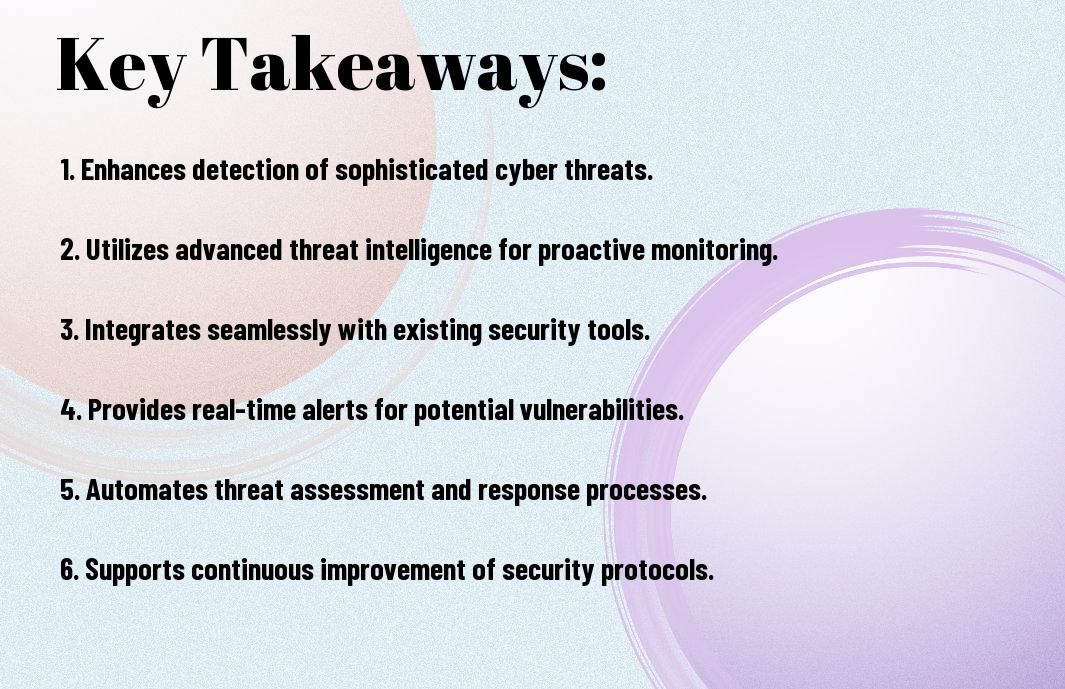
Key Takeaways:
- Huntress provides proactive threat detection by employing human-led investigations alongside automated tools, ensuring advanced threats are identified and addressed promptly.
- The platform offers deep visibility into endpoints, allowing organizations to monitor for suspicious activities, increase situational awareness, and respond effectively to potential breaches.
- By leveraging a community-driven approach, Huntress continuously updates its threat intelligence, enhancing its ability to adapt to emerging threats and strengthening overall cybersecurity posture.
Understanding Advanced Threats
The world of cybersecurity is constantly evolving, with advanced threats becoming more sophisticated and targeted. These threats often bypass traditional security measures and are designed to exploit vulnerabilities in your systems. It’s imperative to grasp the characteristics of advanced threats to bolster your defenses effectively.
- Developed specifically to target organizations
- Utilizes a combination of techniques to infiltrate systems
- Designed to remain undetected for extended periods
- Highly adaptable to changing security environments
- Often aims at stealing sensitive information or disrupting operations
| Characteristic | Description |
|---|---|
| Targeted | Specifically aimed at organizations or sectors |
| Sophisticated | Employs advanced techniques and tools |
| Persistent | Aims to remain undetected over long periods |
| Dynamic | Adapts quickly to countermeasures |
| Disruptive | Seeks to halt operations and steal data |
Definition of Advanced Threats
To effectively defend against advanced threats, you must first understand their definition. Advanced threats are malicious attacks that use sophisticated methods to infiltrate networks and evade detection, making traditional security measures inadequate.
- Use complex tactics that confuse standard defenses
- Focus on high-value targets such as sensitive data
- Often involve coordinated attacks over time
- Utilize social engineering to exploit user trust
- May involve multiple attackers and resources
| Term | Description |
|---|---|
| Malware | Software designed to harm or exploit systems |
| Phishing | Tricking users into revealing personal info |
| Ransomware | Encrypting files and demanding ransom for access |
| DDoS | Overloading networks to disrupt services |
| Zero-day Exploits | Attacks targeting known software vulnerabilities |
Common Types of Advanced Cyber Attacks
Cyber attacks manifest in various forms, and you must recognize these common types to protect your assets. Awareness of these attacks enables you to implement appropriate defensive strategies tailored to your environment.
- Advanced Persistent Threats (APTs)
- Zero-day Exploits
- Ransomware Attacks
- Distributed Denial of Service (DDoS)
- Phishing Schemes
| Type of Attack | Description |
|---|---|
| APTs | Long-term targeted attacks that steal data |
| Zero-day | Exploits vulnerabilities that are unknown to the vendor |
| Ransomware | Locks access to data until a ransom is paid |
| DDoS | Floods resources to crash systems |
| Phishing | Deceives users into providing confidential information |
At the core of your cybersecurity strategy should be an understanding of these common types of advanced cyber attacks. You should be alert, as attacks like APTs can be stealthy, while ransomware can paralyze your operations overnight. Zero-day exploits are particularly dangerous as they can be exploited before you have a chance to patch vulnerabilities. Implementing advanced monitoring systems is vital to detect these threats early and maintain the integrity of your cybersecurity defenses.
| Attack Type | Key Feature |
|---|---|
| APTs | Stealthy, long-term espionage |
| Zero-day | Exploits unpatched software flaws |
| Ransomware | Encrypts files, demanding payment |
| DDoS | Overwhelms systems, causing disruption |
| Phishing | Uses deception for information theft |
The Role of Cybersecurity Monitoring
Assuming you understand the increasing complexity of your digital landscape, it’s crucial to recognize that effective cybersecurity monitoring serves as the backbone of your defense against advanced threats. By actively observing your systems and networks, you can swiftly detect and respond to anomalous behavior, thereby mitigating potential risks before they escalate into significant breaches. Integrating a robust cybersecurity monitoring approach not only protects your organization but also empowers you to anticipate and adapt to evolving cyber threats.
Importance of Continuous Monitoring
For optimal cybersecurity, you need continuous monitoring, as cyber threats are dynamic and often go unnoticed until it’s too late. By maintaining a real-time watch over your systems, you can promptly identify vulnerabilities, suspicious activities, and potential breaches. This proactive approach not only minimizes your risk exposure but also helps you ensure compliance with regulatory requirements while enhancing overall security posture.
Challenges in Traditional Monitoring Approaches
Across many organizations, traditional monitoring methods often fall short, leaving you vulnerable to advanced threats. Common challenges include reliance on outdated technology, missed alerts, and the struggle to parse through vast amounts of security data. As threats evolve, static monitoring techniques can lead you to an ineffective defense strategy that may contribute to a false sense of security.
Importance of updating your monitoring strategies cannot be overstated. Traditional methods often lack the capability to adapt to the rapidly changing landscape of cyber threats. Consequently, they may expose you to increased risk of data breaches and financial losses. Moreover, static systems can generate a flood of alerts, which means you could easily miss significant signs of compromise. Adopting a more sophisticated cybersecurity monitoring solution will help you navigate these challenges more effectively, preventing potentially devastating consequences and ensuring the safety and integrity of your systems.
Overview of Huntress
Despite the ever-evolving landscape of cyber threats, Huntress provides a robust solution for cybersecurity monitoring, particularly against advanced threats. By focusing on the detection and response to active adversaries, Huntress empowers your organization to stay ahead of potential incidents with a proactive approach, ensuring your systems remain secure.
Company Background
Above all, Huntress was founded by a team of cybersecurity experts who recognized the need for better threat detection in a world increasingly vulnerable to sophisticated attacks. They strive to offer a service that enhances traditional security measures, allowing your organization to detect and respond to threats efficiently.
Key Features of Huntress
Features of Huntress include:
- Active Monitoring: Continuous oversight to identify threats in real-time.
- Threat Intelligence: Access to advanced insights about potential attacks.
- Incident Response: Immediate support to mitigate threats effectively.
- Vulnerability Assessment: Regular checks for weaknesses that need addressing.
- Customized Reporting: Detailed reports tailored to your security needs.
Any organization looking to enhance its security posture will benefit immensely from these features.
To ensure your cybersecurity strategy is comprehensive, Huntress offers tailored services designed to protect against various advanced threats. Key features include:
- Active Monitoring: 24/7 oversight of your systems.
- Threat Intelligence: Supplying in-depth information about attack vectors.
- Incident Response: Expert assistance provided during security breaches.
- Vulnerability Assessment: Identifying and remedying weaknesses.
- Customized Reporting: Reports designed with your specific context in mind.
Any effective cybersecurity strategy requires these capabilities to stay one step ahead of potential threats.
How Huntress Enhances Cybersecurity Monitoring
Now, Huntress significantly strengthens your cybersecurity monitoring capabilities by offering advanced tools designed to detect and respond to the evolving landscape of cyber threats. For a deeper look into how these tools can elevate your security posture, check out Enhancing Cyber Security: MSPbots Huntress Monitoring ….
Proactive Threat Hunting
Threat hunting is at the core of what Huntress does, allowing you to proactively identify potential vulnerabilities before they can be exploited. This approach significantly minimizes the risk of security breaches and strengthens your overall defense mechanisms.
Advanced Detection Techniques
On enhancing your security framework, Huntress employs cutting-edge detection techniques that alert you to sophisticated threats. These techniques include:
- Behavioral analysis of user activities.
- Indicators of compromise (IoCs) monitoring.
- Integrated machine learning for anomaly detection.
| Technique | Description |
| Behavioral analysis | Monitors user activities to spot unusual behaviors. |
| IoCs monitoring | Detects known malicious indicators across your network. |
| Machine learning | Utilizes AI to identify and flag anomalies. |
Indeed, adopting these advanced detection techniques ensures enhanced vigilance against cyber threats, safeguarding your organization’s sensitive information. The advantages are evident:
- Timely alerts to potential breaches.
- Improved response times to threats.
- Comprehensive visibility into network activities.
| Benefit | Impact |
| Timely alerts | Reduce the window for potential damage. |
| Improved response | Enhance your incident response capabilities. |
| Network visibility | Gain insights into ongoing activities and threats. |
Case Studies: Huntress in Action
All organizations face unique cybersecurity challenges, and Huntress has proven effective across various scenarios. Here are some statistics from real case studies:
- 90% decrease in ransomware incidents within a year for small businesses using Huntress.
- 300+ threats detected and mitigated in real-time across multiple sectors in 2022.
- 75% of clients reported enhanced incident response efficiency post-Huntress implementation.
- Average detection time of 4 hours for advanced threats compared to 3 days prior.
To learn more about how you can elevate your defenses, check out Enhancing Your Cybersecurity with Huntress: What You Need ….
Successful Threat Mitigation Examples
Behind Huntress’s success lies an array of compelling examples. One notable incident involved a financial institution that thwarted a sophisticated phishing attack targeting their client database, which could have resulted in a severe breach. With Huntress, they detected the threat early, ensuring timely action was taken to secure sensitive customer data, thereby preserving their reputation and trust.
Impact on Incident Response Times
One key improvement observed with Huntress is the reduction in incident response times. Organizations have reported up to a 70% decrease in the time it takes to identify and respond to threats. This rapid response is imperative, especially when every second counts during a cyberattack.
Plus, the integration of Huntress enables your team to focus on high-impact tasks instead of juggling multiple elements of incident response. This efficiency has resulted in an average 4x improvement in overall operational speed, allowing you to mitigate risks effectively. When every second can mean the difference between a contained incident and a major breach, enhanced response capacity can safeguard your organization’s future.

Best Practices for Implementing Huntress
Not all cybersecurity tools are created equal, which is why it’s vital to implement Huntress: Enhancing Cybersecurity for Your Organisation effectively. To maximize your investment, focus on continuous monitoring, analysis, and integration with your current cybersecurity setup to ensure robust protection against advanced threats.
Integration with Existing Security Infrastructure
Beside leveraging the unique capabilities of Huntress, it’s vital to integrate it seamlessly with your existing security infrastructure. Doing so enhances threat detection and response time, ensuring your overall cybersecurity posture is stronger and more aligned, thus enabling your team to work effectively with a comprehensive approach to security.
Training for Security Teams
With proper training, your security teams can fully utilize Huntress’s capabilities. This training should encompass not just operational use but also a deep understanding of the evolving threat landscape, ensuring your team can respond effectively when a threat arises.
Security training for your team should focus on real-world threats and incident response tactics. By simulating attack scenarios, your team will gain practical experience, enabling them to identify vulnerabilities and respond proficiently. Investing in ongoing training will empower your team to maintain heightened awareness and operational efficiency, which is vital in a climate where cyber threats are increasingly sophisticated. This dedicated effort will help you mitigate risks and enhance your organization’s overall cybersecurity resilience.
To wrap up
On the whole, Huntress enhances your cybersecurity monitoring by providing advanced threat detection and response capabilities that are tailored to identify sophisticated attacks. By leveraging continuous monitoring, actionable insights, and expert threat hunting, you can better defend your systems against potential breaches. As you integrate these tools into your security strategy, you empower your organization to stay one step ahead of emerging threats, ensuring a more robust and resilient cybersecurity posture.
Q: What specific features does Huntress offer to enhance cybersecurity monitoring?
A: Huntress provides a range of features designed to strengthen cybersecurity monitoring. These include advanced threat detection capabilities that analyze system behavior in real-time, the use of machine learning algorithms to identify unusual patterns indicative of advanced threats, and the implementation of endpoint detection and response (EDR) tools. This combination allows for comprehensive visibility across environments, proactive identification of vulnerabilities, and rapid incident response management to mitigate the impact of cyber threats.
Q: How does Huntress distinguish between normal activities and potential threats?
A: Huntress employs sophisticated heuristics and anomaly detection methods. By establishing a baseline of normal user and application behavior, it can effectively identify deviations that may suggest malicious activity. This includes monitoring for unusual file modifications, suspicious network traffic, and the execution of unknown processes. The system continuously learns from its environment, refining its detection capabilities to reduce false positives while ensuring that genuine threats are promptly identified and addressed.
Q: In what ways does Huntress facilitate collaboration among cybersecurity teams?
A: Huntress enhances collaboration by providing a centralized platform that allows cybersecurity teams to effectively coordinate their efforts. It offers shared access to threat intelligence and incident reports, enabling team members to communicate findings and strategies seamlessly. Additionally, Huntress integrates with various Security Information and Event Management (SIEM) systems, allowing teams to correlate alerts and responses across different tools. This integration ensures that everyone involved has a contextual understanding of threats, facilitating rapid and informed decision-making during incident response.