
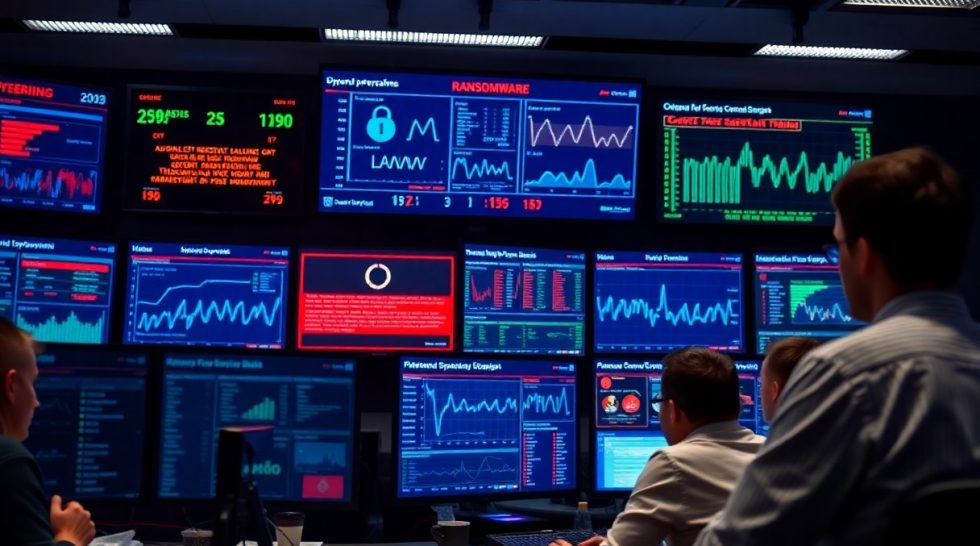
Over the past few years, ransomware attacks have escalated, threatening not just individual systems but entire organizations. As I navigate this ever-evolving landscape, I recognize how Managed Detection and Response (MDR) services can significantly bolster your defenses. These services empower you to detect vulnerabilities and respond swiftly, minimizing the risk of financial loss and data compromise. By leveraging advanced analytics and expert insight, you can stay one step ahead of potential threats and enhance your overall cybersecurity posture. In this post, I will explore the necessary ways MDR services can protect your assets from ransomware attacks.
Understanding Ransomware
To fully appreciate the threats posed by ransomware, it’s vital to grasp its nature and underlying mechanisms. Ransomware is a form of malicious software designed to encrypt files on a victim’s system, rendering them inaccessible until a ransom is paid to the attackers. This sinister approach exploits both technological vulnerabilities and human psychology, making it a significant risk for individuals and organizations alike.
Definition and Overview
By definition, ransomware is a type of malware that targets users by blocking access to their files or entire systems, demanding a ransom payment for restoration. It typically infiltrates systems through phishing emails, malicious downloads, or vulnerabilities in software, and can have devastating impacts on both personal and organizational data integrity.
Current Trends and Threat Landscape
At present, the ransomware threat landscape is evolving rapidly, with attackers becoming increasingly sophisticated. The rise of double extortion tactics means that even if you pay the ransom, your data may still be published on the dark web. Furthermore, new variants are emerging regularly, targeting not just large enterprises, but also small and medium-sized businesses, which often lack the robust defenses of larger organizations.
In fact, the cyber threat landscape is marked by a concerning increase in ransomware attacks, as adversaries use advanced technologies such as artificial intelligence and automation to optimize their strategies. This trend has led to a surge in ransomware-as-a-service (RaaS) offerings, making it easier for less skilled criminals to launch attacks. Also alarming is the growing collaboration among cybercriminal groups, which allows for more focused targeting and greater efficiency in executing attacks. I advise you to stay informed about these evolving tactics to fortify your defenses effectively.
Managed Detection and Response Services
Some organizations are embracing Managed Detection and Response (MDR) services to bolster their cybersecurity posture. These services provide continuous monitoring, threat detection, and incident response, offering a strategic advantage against emerging threats. With a blend of human expertise and advanced technology, MDR helps your organization identify vulnerabilities and respond swiftly to potential breaches, particularly in the face of ransomware attacks.
Definition and Functionality
For many companies, understanding the definition of MDR is key to enhancing their cybersecurity strategies. MDR encompasses a combination of services that monitor, detect, and respond to threats in real time. By utilizing a blend of machine learning and human expertise, these services create a comprehensive shield against various cyber threats, allowing businesses like yours to stay focused on core operations while experts manage the intricacies of cybersecurity.
Key Components and Technologies
Functionality is at the heart of MDR services, relying on several key components and technologies. These include security information and event management (SIEM)advanced threat intelligence, and incident response plans. These elements work together to enhance your security posture by providing continuous visibility into your network and enabling swift reaction to detected anomalies.
Hence, the importance of these key components cannot be overstated. Leveraging SIEM helps aggregate and analyze data from various sources, making it easier to spot suspicious activities. Meanwhile, advanced threat intelligence provides insights into the latest attack vectors, specifically tailored to protect against ransomware threats. Finally, having a solid incident response plan ensures that your organization can act promptly and effectively should an attack occur, reducing the time to recovery and limiting damage.

Ransomware Risk Mitigation Strategies
It’s imperative to have a comprehensive plan to mitigate ransomware risks effectively. I recommend exploring How to Mitigate Ransomware Risk to stay informed about best practices and strategies for protecting your organization.
Prevention and Preparedness
Before stepping into any cybersecurity strategies, it’s important to assess your current defenses. Ensure all systems are up-to-date, implement regular training programs for your team, and develop a thorough incident response plan to act swiftly in case of an attack.
Detection and Response Mechanisms
Prevention alone isn’t sufficient; having robust detection and response mechanisms is key to minimizing damage. Utilizing advanced analytics and machine learning can help monitor network activity for suspicious behavior, enabling you to pinpoint and act on potential threats faster.
Ransomware attacks are evolving, and the ability to respond quickly is more important than ever. With effective detection mechanisms in place, you can identify incidents before they escalate into full-blown crises. Furthermore, a reliable response strategy will not only help you minimize potential damage but also protect your data and maintain your reputation by ensuring swift recovery from any attack.
Benefits of Managed Detection and Response
Once again, managed detection and response (MDR) services offer numerous advantages that can enhance your cybersecurity posture. By leveraging cutting-edge technologies and expert insights, MDR solutions allow your organization to respond promptly to threats, minimizing potential damage from ransomware attacks. With a dedicated team monitoring and analyzing your systems, you can focus on your core business without the constant worry of cyber threats lurking around every corner.
Expertise and Resources
Expertise is a pivotal component of managed detection and response services. By partnering with skilled professionals who are well-versed in the latest cyber threats, you gain access to an extensive knowledge base and a suite of advanced tools. These resources not only strengthen your defense mechanisms but also ensure you are equipped to handle any emerging dangers effectively.
Continuous Monitoring and Threat Intelligence
Intelligence plays a vital role in the effectiveness of your security measures. Continuous monitoring allows for real-time analysis of your systems, ensuring immediate response to any unusual activity. Moreover, threat intelligence provides insights into the latest vulnerabilities and tactics used by cybercriminals, enabling you to stay one step ahead.
It is through continuous monitoring and comprehensive threat intelligence that your organization can significantly reduce the risks associated with ransomware. With 24/7 surveillance of your systems, any suspicious activity can be flagged and addressed promptly, which prevents the spread of malicious software. Additionally, by utilizing up-to-date threat intelligence, you can proactively defend against emerging threats, thereby strengthening your overall security posture. The integration of these two elements ensures that your organization is not only reactive but also proactive in its efforts to avoid cyber incidents.
Case Studies and Success Stories
Keep in mind the following compelling case studies demonstrating how Managed Detection and Response (MDR) services effectively mitigate ransomware risks:
- Company A experienced a 70% reduction in unauthorized access incidents after implementing MDR solutions.
- Company B recovered from a major ransomware attack within 48 hours, preventing a projected loss of $1 million.
- Company C achieved 100% endpoint protection in less than a month after adopting MDR services.
- Company D reduced incident response times by 50% compared to previous methods.
For more insights into how MDR works, check out What is MDR? A Guide to Managed Detection and Response.
Real-world Examples
Beside these statistics, I’ve seen firsthand how utilizing MDR services can dramatically improve an organization’s security posture. For instance, a client I worked with managed to navigate a ransomware attack with minimal downtime, largely due to their proactive detection system.
Lessons Learned
Behind the scenes of these success stories, it’s clear that early detection and immediate response make all the difference. When organizations adopt a comprehensive managed detection and response approach, they create a robust defense against evolving threats.
Case studies teach us that regular vulnerability assessments and investing in MDR capabilities significantly impact your organization’s resilience. For instance, one study highlighted that 95% of companies that experienced ransomware attacks had not updated their systems in over six months. This emphasizes the importance of a proactive approach—keeping your software and systems updated along with a dedicated MDR service can shield you from potential threats.
Choosing the Right Managed Detection and Response Partner
Not all Managed Detection and Response (MDR) partners are created equal. It’s necessary to select a provider who understands your specific needs and can adapt to the evolving landscape of cyber threats. I recommend looking for a partner that emphasizes proactive threat hunting, effective communication, and robust incident response capabilities to ensure your organization is well-protected against ransomware attacks.
Factors to Consider
Detection of the right MDR service requires careful consideration of various factors, such as:
- Experience in the industry
- Technology capabilities
- Response time to incidents
- Customer support availability
- Compliance with industry standards
The right partner will align their services with your organization’s security objectives.
Evaluating Service Providers
The evaluation of service providers is key to ensuring you choose the right MDR partner. I recommend conducting thorough research into their track records, technologies, and methodologies. Make sure to inquire about their successes in mitigating ransomware and other threats, and don’t hesitate to ask for references or case studies. This diligence will provide you with confidence in their ability to protect your organization.
Due to the increasing sophistication of ransomware attacks, I find that many organizations overlook the significance of thorough evaluations. You should analyze their threat detection techniques and assess their incident response protocols. A well-chosen MDR provider offers a blend of cutting-edge technologies and expert human analysts, ensuring your defenses are always operational. This approach minimizes risks and strengthens your overall cybersecurity posture.
1. MDR services provide continuous threat monitoring and analysis.
2. They enable rapid detection of ransomware attacks.
3. MDR helps contain and isolate infected systems quickly.
4. Expert teams guide effective incident response and recovery.
5. MDR uses advanced tools to identify ransomware behavior.
6. They reduce downtime and financial impact from attacks.
Conclusion
Upon reflecting on how Managed Detection and Response (MDR) services assist in mitigating ransomware risks, I realize that their proactive monitoring and rapid response capabilities are indispensable. By continuously analyzing data for potential threats, you gain a robust defense rhythm against evolving ransomware tactics. The expertise offered by MDR teams empowers you to identify vulnerabilities early, thereby enhancing your organization’s resilience. Ultimately, integrating these services into your cybersecurity strategy can significantly lessen the impact of ransomware attacks on your business operations.