

You may not realize how significantly custom software can transform your business’s customer satisfaction levels. By tailoring solutions specifically to your clients’ needs, you enhance their experience and foster loyalty. Implementing bespoke features enables streamlined communication, faster service delivery, and personalized interaction, which are vital for keeping clients happy. This kind of software not only meets current expectations but also anticipates future ones, ensuring you stay ahead in a competitive market. For insights on how to elevate customer service with custom business software, explore further.
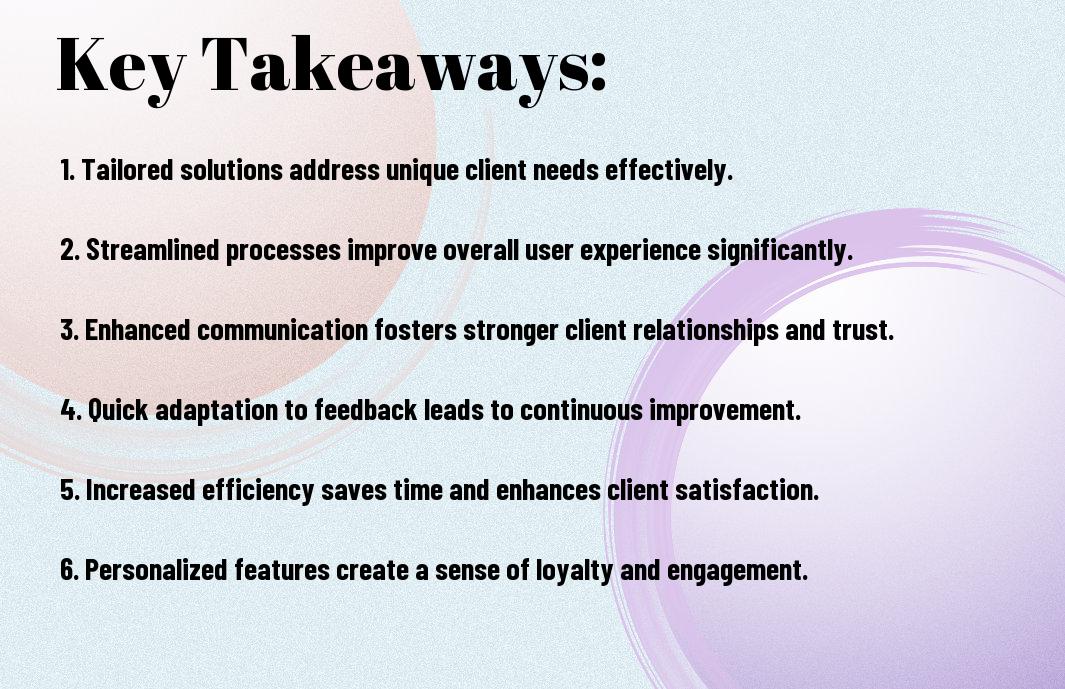

Understanding Custom Software
For businesses looking to differentiate themselves in a competitive market, custom software offers a tailored approach to meet unique customer needs and drive satisfaction. This software is designed specifically for your business processes, providing a level of personalization that off-the-shelf solutions simply cannot achieve.
Definition of Custom Software
At its core, custom software is specifically developed to cater to the unique requirements and challenges of a particular organization. Unlike standard software, which is designed for broad use, custom solutions focus on your specific operational needs, ensuring that every feature directly supports your business objectives.
Importance in Today’s Business Environment
Before entering into the world of technology, it’s vital to understand how custom software shapes the landscape of modern business. In an era where customer experience can make or break your brand, having software that aligns with your operational goals is not just beneficial but vital.
Software that is tailored to your business needs allows for enhanced flexibility and scalability, letting you adapt quickly to changing market demands. This adaptability means your organization can implement new processes swiftly, enhancing both efficiency and productivity. Additionally, when your software resonates with your customer base, it creates a more personal and engaging experience. In a marketplace saturated with generic solutions, standing out is key to maintaining customer loyalty and driving satisfaction, making custom software a significant investment for your long-term success.
Enhancing User Experience
Some companies underestimate the impact of user experience on customer satisfaction. Custom software plays a vital role in ensuring that every interaction with your digital services is seamless. By prioritizing user experience, you can simplify processes and create a more engaging interface, which ultimately leads to happier clients. This attentiveness to detail can significantly differentiate your business from competitors, as satisfied customers are more likely to return and recommend your services to others.
Tailored Solutions for Unique Needs
By offering tailored solutions, you can address the specific needs of your customers. Custom software enables you to create functionalities that align with the unique preferences and workflows of your clients. When your software is designed with their input in mind, it fosters a sense of ownership and satisfaction, promoting a stronger client relationship.
Streamlined Customer Interactions
Against the backdrop of modern business, streamlined customer interactions are crucial for maintaining satisfaction. By implementing custom software solutions, you can automate routine tasks and simplify communication processes, ensuring that your clients can easily access the information they need. This efficiency can save time and build trust, ultimately improving their overall experience.
Needs for streamlined interactions are more important than ever in today’s fast-paced environment. Custom software allows you to minimize friction points by integrating communication tools, FAQs, and support channels within one platform. As a result, your customers can experience improved responsiveness when reaching out for assistance. This prompts faster resolution of issues, leading to increased satisfaction and fostering long-lasting relationships. By leveraging tailored software solutions, you can create a truly personalized experience that resonates with your clients and keeps them returning for more.

Driving Efficiency and Productivity
Despite rapid advancements in technology, many businesses still struggle with streamlining their operations. Custom software enhances your efficiency and productivity by creating tailored solutions that address your specific needs and challenges. By eliminating repetitive tasks and optimizing workflows, you can focus more on delivering great service to your clients, ultimately resulting in heightened satisfaction.
Automation of Processes
Any business can benefit from the automation of processes through custom software. By reducing manual tasks, you free up valuable time for your team to engage in more strategic activities. This not only accelerates project turnaround times but also minimizes errors, leading to more reliable outcomes that are vital for exceeding client expectations.
Integration with Existing Systems
Beside automation, custom software allows for seamless integration with your existing systems. This means that your new solutions can work in harmony with the tools you already use, preventing disruptions and ensuring a smooth transition.
But effective integration with existing systems is important for maximizing the benefits of custom software. Inadequate integration can lead to data silos and operational inefficiencies, ultimately compromising client interactions. You want to ensure that your custom solution links up with current platforms, facilitating the flow of information and processes. When this integration is executed well, it fosters a more cohesive working environment, enhancing team collaboration and enabling you to serve your clients more effectively. A well-integrated system not only improves response times but also gives you a comprehensive view of customer interactions, which is invaluable for driving satisfaction.
Personalization in Service Delivery
Once again, personalization stands at the forefront of enhancing customer satisfaction. Custom software allows you to tailor your service delivery to meet the unique preferences of your clients, ensuring they feel valued and understood. By leveraging customer data, you can create experiences that resonate with individual needs, which can significantly boost loyalty and engagement.
Customization Features
Along with personalization, customization features in your software enable you to adapt services precisely to your clients’ requirements. Whether it’s altering the user interface or offering personalized product recommendations, these features empower you to create an experience that aligns perfectly with their expectations, increasing their satisfaction levels.
Building Stronger Customer Relationships
The ability to foster stronger customer relationships is another vital component of personalized service delivery. By using custom software to track interactions, preferences, and feedback, you can engage with your clients more effectively. This approach not only builds trust but also enhances their overall experience with your brand.
Indeed, customized software solutions provide you with powerful tools to form deeper connections with your clients. By catering to their specific needs and preferences through personalized recommendations and targeted follow-ups, you actively demonstrate that you value their business. This level of attention helps to foster a sense of loyalty, ensuring that customers not only return but also advocate for your brand. As you nurture these strong relationships, you can rely on them to enhance customer lifetime value and spark positive word-of-mouth that can ultimately lead to increased sales and growth for your business.
Measuring Customer Satisfaction
Many businesses understand that measuring customer satisfaction is vital for growth and improvement. By analyzing various metrics, you can gain insights into your clients’ experiences, preferences, and pain points. This process not only helps identify areas for enhancement but also informs your strategic decisions, ensuring that your custom software aligns closely with customer needs. Through continuous measurement, you can foster deeper relationships with clients, leading to long-term satisfaction and loyalty.
Key Performance Indicators
By utilizing Key Performance Indicators (KPIs), you can effectively gauge the impact of your custom software on customer satisfaction. Common KPIs include customer retention rates, Net Promoter Scores (NPS), and customer satisfaction scores (CSAT). These metrics provide quantitative data that reveals how well your software meets customer needs and expectations, helping you make informed decisions for future improvements.
Feedback Mechanisms
One effective way to measure customer satisfaction is through feedback mechanisms. Knowing your clients’ opinions is not just helpful; it’s necessary for growth. Regularly implementing surveys, suggestion boxes, or direct feedback sessions allows you to capture valuable insights into how your custom software is performing. This approach empowers you to proactively address concerns and enhance user experience.
Consequently, using feedback mechanisms enables you to stay in tune with your customers. By actively seeking responses, you demonstrate that their opinions matter, fostering a sense of trust and engagement. Surveys can provide quantifiable data, while open-ended questions allow for rich qualitative insights. By making adjustments based on this feedback, you not only improve customer satisfaction but also create a competitive edge in your industry.
Case Studies of Successful Implementations
Keep in mind that real-world examples illustrate the tangible impact of custom software on customer satisfaction. Consider the following case studies:
- A retail company implementing a custom inventory system saw a 20% reduction in stock discrepancies, resulting in a 30% increase in customer satisfaction ratings.
- A financial service provider that adopted personalized software improved their client retention by 15%, attributing this to enhanced user experience and customized solutions.
- A healthcare facility that introduced a patient management system reported a 25% increase in appointment bookings and 40% decrease in patient wait times, significantly boosting patient feedback.
Real-World Examples
By examining successful implementations, you can see the powerful effects of custom software. Companies across diverse sectors have tailored their solutions to meet specific client needs, enhancing overall satisfaction and loyalty. For instance, an e-commerce platform reported a 35% increase in conversions after integrating a personalized recommendation engine.
Lessons Learned
At the heart of successful custom software implementation are key lessons that form best practices in your project. Each case provides insights that can optimize your approach to enhancing customer satisfaction through technology.
The experiences of these companies reveal that understanding client needs is paramount. Involving end-users in the design process leads to greater engagement and satisfaction. Additionally, iterative development allows you to make adjustments based on real-time feedback, ensuring your software evolves with customer expectations. Lastly, a robust support system post-launch is necessary, as ongoing user education fosters continued satisfaction and loyalty. Utilizing these insights in your own custom software projects can lead to long-term success and enhanced client relationships.
Conclusion
With these considerations, you can see how custom software plays a significant role in enhancing customer satisfaction among clients. By tailoring solutions to fit specific needs, you ensure that your users have a better and more efficient experience. When your software aligns with client expectations and streamlines their processes, it leads to increased loyalty and trust. For more insights on this topic, explore Customer satisfaction in custom software development.