

Deepfake technology has rapidly advanced, creating realistic audio and video content that can deceive viewers and challenge the integrity of information. As you navigate the digital landscape, it’s important to understand the serious threats deepfakes pose to your online security. From identity theft to disinformation campaigns, deepfakes can undermine trust and facilitate cybercrimes, making it vital for you to stay informed and vigilant. This blog post will explore these risks and offer insight into how you can protect yourself from the malicious use of deepfake technology.
Key Takeaways:
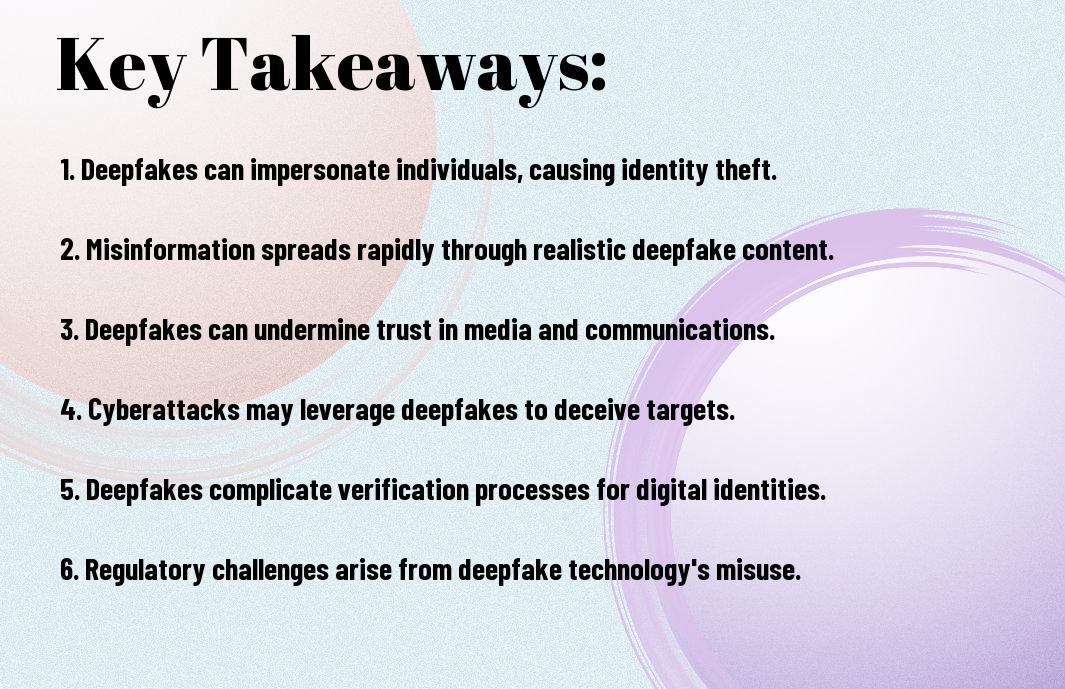
- Deepfake technology can be exploited to create misleading audio and video content, posing significant risks in social engineering attacks and disinformation campaigns.
- Organizations may face increased challenges in verifying the identity of individuals during remote communications, as deepfakes can be used to impersonate trusted sources.
- The potential for deepfakes to disrupt trust in media and communications necessitates the development of advanced detection tools and awareness training for users.
Understanding Deepfake Technology
Your awareness of deepfake technology is imperative in today’s digital landscape. Deepfakes utilize sophisticated artificial intelligence algorithms to create hyper-realistic manipulated images, audio, or videos, making it challenging to distinguish reality from fabricated content. This technology can generate convincing fake personas, leading to significant implications for both individuals and organizations alike.
Definition and Mechanism
Around the globe, deepfake technology harnesses machine learning techniques, specifically generative adversarial networks (GANs), to produce synthetic media. Initially trained on vast datasets of real images and sounds, these algorithms capture the nuances of human expression and speech, allowing them to imitate individuals convincingly. As the technology evolves, its ability to produce almost indistinguishable manipulations raises several ethical and security concerns.
Current Applications and Trends
Current uses of deepfake technology extend beyond mere entertainment, encompassing marketing, education, and more. Industries are exploring its potential to create personalized content, but this innovation also encompasses deceptive uses. For example, malicious actors can deploy deepfakes to manipulate public opinion, create fraudulent endorsements, or even influence stock prices. The line between creativity and cybersecurity risk is becoming increasingly blurred.
At the moment, deepfake technologies are being embraced in both positive and negative ways. For instance, businesses utilize deepfakes to produce tailored advertisements and engaging training materials, enhancing customer experience and knowledge retention. However, the dark side reveals alarming trends, such as political misinformation and identity theft, which are becoming more prevalent. It is vital for you to stay informed about these trends, as the implications for trust and security in digital interactions could be substantial.
Cybersecurity Threats Introduced by Deepfakes
Some of the most alarming threats posed by deepfake technology include the potential for misinformation, identity theft, and impersonation. As deepfake content becomes increasingly accessible and convincing, it can be leveraged by malicious actors to deceive individuals and organizations, leading to serious security vulnerabilities.
Information Manipulation and Disinformation
With the rise of deepfakes, false narratives can be disseminated quickly, altering public perceptions or inciting chaos. You may find yourself receiving misinformation disguised as credible news, making it vital to scrutinize sources and verify claims, as the consequences of falling victim to such deception can be extensive.
Identity Theft and Impersonation
Impersonation through deepfakes offers new pathways for identity theft, allowing cybercriminals to create realistic videos or audio that mimic your voice or likeness. This can lead to unauthorized access to secure accounts, financial loss, and damage to your reputation.
Even individuals and organizations with robust security measures are at risk, as technological advancements make deepfakes more accessible to criminals. A deepfake could enable an attacker to convincingly pose as you in video calls, tricking colleagues or clients into divulging sensitive information. The potential for misrepresentation can lead to severe financial and reputational losses. Thus, it’s important for you to remain vigilant and informed about the risks associated with this evolving technology.
Vulnerabilities in Digital Security
After the introduction of deepfake technology, digital security vulnerabilities have grown significantly. You may find that traditional security measures are increasingly ineffective against sophisticated manipulations. As deepfakes evolve, they expose weaknesses in identity verification and authentication systems, heightening the risks associated with cybersecurity breaches. Understanding these vulnerabilities is necessary for staying proactive in safeguarding your digital presence.
Social Engineering Attacks
Engineering new tactics, cybercriminals exploit deepfake technology to craft highly convincing social engineering attacks. You might receive a video or audio message that appears to be from a legitimate source, leading you to unwittingly divulge sensitive information or execute actions harmful to your security. The realistic nature of these deepfakes makes it imperative for you to exercise heightened caution when interacting with any unsolicited digital communication.
Exploitation of Trust in Digital Communication
The emergence of deepfake technology allows attackers to exploit the inherent trust you place in digital communication. You may think that a video call or audio message is genuine, but the reality could be manipulated content designed to deceive you. This exploitation can lead to serious consequences, such as financial loss or data theft.
Due to the ability of deepfakes to mimic real individuals, attackers can successfully manipulate you by leveraging your familiarity and trust. In many cases, they might impersonate colleagues or family members in video chats or voice calls, resulting in the potential leakage of sensitive information. This highlights the importance of verifying identities through multiple channels before taking any action, especially when confronted with requests for personal or financial data. Engaging in due diligence in verifying sources can help you mitigate risks associated with this innovative yet perilous technology.
Legal and Ethical Implications
Unlike traditional media, deepfake technology raises complex legal and ethical questions. It blurs the lines between reality and fabrication, leading to potential liability issues for individuals and organizations. You can explore more about these challenges in the article Deepfakes: Why Executive Teams Should Prepare for the …. As laws struggle to keep pace with rapid technological advancements, understanding your obligations and potential risks becomes paramount.
Regulatory Challenges
An increasing number of jurisdictions are grappling with how to regulate deepfake technologies effectively. The absence of clear legal frameworks complicates your ability to navigate potential fraud or misinformation linked to deepfakes. You may find that existing laws around privacy, intellectual property, and defamation do not sufficiently address the unique challenges posed by this emerging technology.
Ethical Considerations in the Use of Deepfakes
About the ethical dimensions surrounding deepfakes, you should recognize their dual potential for both harm and benefit. While they can contribute positively, such as in creative industries, their misuse can lead to misinformation, harassment, and manipulation. This places a significant ethical burden on those who create and disseminate deepfakes, requiring you to consider the impact on individuals and society as a whole.
Even more concerning, the potential for deepfakes to be weaponized for malicious intent can undermine trust in media and public figures. These risks make it imperative for you to evaluate the ethical implications of your actions carefully. The spread of false information can have real-world consequences, leading to harmful reputational damage or even legal repercussions for individuals and organizations alike. It is imperative to approach deepfake technology with a heightened sense of responsibility and awareness.
Mitigation Strategies for Organizations
Keep your organization ahead of the threats posed by deepfake technology. Implementing comprehensive training programs is vital to educate your employees about the risks and signs of deepfakes. Additionally, investing in advanced cybersecurity tools can help detect and mitigate these threats effectively. For a deeper understanding, check out What Is Deepfake: AI Endangering Your Cybersecurity?.
Detection Technologies
Below are various detection technologies designed to identify and analyze potential deepfake media, employing techniques such as biometric recognition and blockchain verification. Utilizing these tools can enhance your organization’s capability to spot deepfakes effectively, reducing the risk of manipulation.
Best Practices for Cyber Hygiene
Best practices for cyber hygiene play a significant role in protecting your organization from deepfake threats. Regularly updating your security protocols, fostering a culture of skepticism, and encouraging verification are fundamental steps to take.
With a solid approach to cyber hygiene, you can significantly minimize risks associated with deepfake technology. Engage your team in frequent training sessions focusing on security awareness and the identification of suspicious content. Utilize multi-factor authentication and regular system updates to bolster your defenses. By creating a culture where verification and caution are prioritized, you empower your employees to act responsibly, ultimately safeguarding your organization from deepfake-related breaches.
Future Outlook on Deepfake Technology and Cybersecurity
To navigate the future landscape of deepfake technology and its implications for cybersecurity, you must remain vigilant about evolving threats. As this technology advances, you might witness a surge in realistic disinformation campaigns, jeopardizing both personal and organizational security. However, there is also potential for positive applications, such as improved fraud detection and enhanced security protocols. Staying informed and adopting robust security measures will be imperative in mitigating risks associated with these developments while leveraging their benefits.
Final Words
Following this, it’s vital for you to understand that deepfake technology poses significant risks to your cybersecurity framework. From misinformation and identity theft to compromising sensitive data, the potential for malicious use is vast. Staying informed about these threats ensures that you can proactively defend against them. For further insights, explore Beyond the illusion—unmasking the real threats of deepfakes to enhance your knowledge and protective measures.
Q: What are deepfakes and how do they work?
A: Deepfakes refer to synthetic media where a person’s likeness is replaced by someone else’s likeness using artificial intelligence, particularly deep learning techniques. This technology analyzes a large dataset of images and videos of the target individual to create realistic manipulations. The results can produce videos or audio recordings that convincingly depict someone saying or doing things they never actually did. The capabilities of deepfake technology have raised concerns, especially when used maliciously, as it can facilitate disinformation, impersonation, and fraudulent activities.
Q: How can deepfake technology be exploited in cyberattacks?
A: Deepfake technology can be weaponized in various cyberattack scenarios, such as social engineering and identity fraud. For example, attackers may create deepfake videos of company executives to authorize unauthorized transactions, potentially leading to significant financial losses. Additionally, deepfakes can be used to launch phishing assaults by mimicking the voice of an individual to deceive targets into providing sensitive information or access. This level of impersonation can erode trust in communication systems and pose severe risks to organizational security protocols.
Q: What strategies can organizations implement to mitigate the risks posed by deepfakes?
A: Organizations can adopt several strategies to reduce the risks associated with deepfake technology. First, they should invest in advanced cybersecurity tools that can detect deepfakes, such as biometric analysis and artificial intelligence detection algorithms. Conducting employee training sessions focused on identifying deepfake content can also raise awareness and promote skepticism regarding unidentified media sources. Additionally, developing verification protocols for sensitive communications, such as requiring multiple forms of authorization for critical decisions, can help safeguard against deepfake-related fraud.